Dog Surgery Art for Medical Crafts
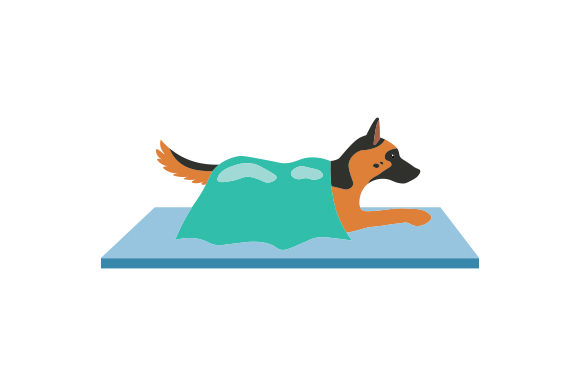
As a graphic designer who has spent the last decade refining brand identities and preparing files for print-on-demand services, I have learned that the difference between a good design and a great one often lies in the emotional resonance of the assets used. Recently, I was tasked with developing a visual concept for a small business specializing in pet recovery care packages. The client needed imagery that balanced clinical professionalism with genuine warmth. This is where Dog Having a Surgery entered my workflow. It is not merely a clipart file; it is a strategic graphic design asset that bridges the gap between sensitive subject matter and approachable Medical communication.
First Impressions and Visual Mood
When I first opened the file, my immediate observation was the balance of tone. Illustrations involving veterinary procedures can easily veer into two extremes: overly sterile and cold, or unintentionally distressing. This particular illustration avoids both pitfalls. The lines are clean, suggesting a modern vector origin, which is crucial for scalability. The mood it creates is one of gentle care rather than acute trauma. For a designer, this is invaluable. It allows us to discuss serious topics like post-operative care, veterinary insurance, or surgical recovery without triggering anxiety in the viewer.
The style represents a contemporary approach to Crafts and digital illustration. It feels hand-drawn yet polished, making it versatile enough for both high-end editorial layouts and casual social media graphics. In a real client project, this versatility means I do not have to commission custom artwork from scratch, saving both time and budget while maintaining a bespoke feel.
Practical Applications in Client Projects
In my experience, the utility of a digital product like this is determined by its adaptability across various mediums. I tested Dog Having a Surgery across several mockups to gauge its performance. For packaging design, specifically for recovery kits containing cones, bandages, and comfort toys, the image served as an excellent hero graphic. It immediately communicated the product’s purpose on the shelf. When placed on a matte finish box, the clean lines of the SVG held up beautifully against the textured background.
For small business branding, particularly for veterinary clinics or mobile pet nurses, this asset works well in marketing visuals. I integrated it into a brochure layout explaining post-surgery home care instructions. Here, the illustration acted as a visual anchor, breaking up dense text and improving readability. It also performed exceptionally well in social media graphics. On Instagram, where visual engagement is paramount, the image paired with a soft pastel background created a scroll-stopping pin that felt empathetic and informative.
Furthermore, for those in the print-on-demand sector, this design is a strong candidate for t-shirt design and tote bags aimed at veterinary students or pet lovers. The clarity of the lines ensures that when printed on fabric, the details remain distinct. It also translates well to sticker design, a popular category in the creative marketplace. Whether used as a laptop decal for a vet tech or a water bottle sticker for a dog owner, the compact nature of the illustration retains its integrity.
Strategic Placement and Visual Hierarchy
Understanding where to place an asset is as important as the asset itself. Dog Having a Surgery shines in large layout areas where it can breathe. It works best as a central focal point in product mockups or as a decorative accent in themed collections. In web design, I found it effective as a header illustration for blog posts discussing pet health. Its presence establishes visual hierarchy, guiding the user’s eye to the accompanying headline.
However, there are contexts where this asset should be used with caution. Due to the intricate details involved in depicting a surgical scene, even in a stylized manner, it can become muddy if scaled down too small. I would advise against using it as a tiny icon in a crowded navigation bar or as a background pattern in complex layouts. It requires white space to maintain its impact. Additionally, for highly corporate or minimalist branding projects that rely on abstract geometry, this illustrative style might clash with the established brand identity. It is best suited for brands that prioritize warmth, approachability, and narrative storytelling.
Technical Review and File Formats
From a technical standpoint, the value of this design bundle lies in its format diversity. You will receive this design in SVG, Transparent PNG, EPS, and DXF formats. As a designer, I always start with the SVG design or EPS file. These vector formats allow me to manipulate the paths, adjust colors to match a client’s specific palette, and scale the image to any size without loss of quality. This is essential for commercial design where output sizes vary from business cards to billboards.
The PNG design with transparency is equally critical for quick implementations in Canva template creations or digital ads. I tested the transparency edges and found them clean, with no unwanted halos or pixelation. This makes it easy to overlay the image on photographs or colored backgrounds for sublimation design projects. For users operating cutting machines, the DXF file ensures compatibility with Cricut project workflows, allowing crafters to create vinyl decals or iron-on transfers with precision.
Designer Notes for Professional Use
Before integrating Dog Having a Surgery into a final client deliverable, I recommend a few practical checks. First, test the design in black and white. This reveals whether the contrast is sufficient for single-color printing methods, such as screen printing on apparel. Second, preview the asset on both light and dark backgrounds. While it performs well on white, you may need to add a subtle stroke or adjust the opacity when placing it on darker hues to maintain visibility.
Consider the typography pairing. This illustration pairs wonderfully with rounded sans serif fonts that echo its friendly curves, or with handwritten fonts that add a personal, caring touch. Avoid overly rigid serif fonts unless you are aiming for a traditional, academic medical look. Finally, always confirm the commercial license terms. While this asset is designed for commercial use, ensuring you have the right to sell products featuring this image is a non-negotiable step for any professional designer working with Etsy product listings or handmade business inventories.
In conclusion, Dog Having a Surgery is more than just a piece of clipart. It is a thoughtful, versatile tool that supports creative design objectives in the pet care and medical sectors. By understanding its strengths in brand consistency, emotional appeal, and technical flexibility, designers can leverage this asset to create polished, professional, and empathetic visual communications. Whether for a printable design wall art piece or a comprehensive logo design supplement, it stands as a reliable component in the modern designer’s toolkit.