DNA Icon for Medical Crafts
As a digital product creator who has spent years navigating the nuances of online marketplaces, I approach every new graphic design asset with a critical eye. It is not just about aesthetics; it is about utility, versatility, and commercial viability. Recently, I integrated the DNA Icon into my workflow to evaluate its potential for a upcoming collection targeting the health, science, and education niches. This review breaks down how this specific asset performs in real-world selling scenarios, from Etsy listings to print-on-demand merchandise.
First Impressions and Visual Personality
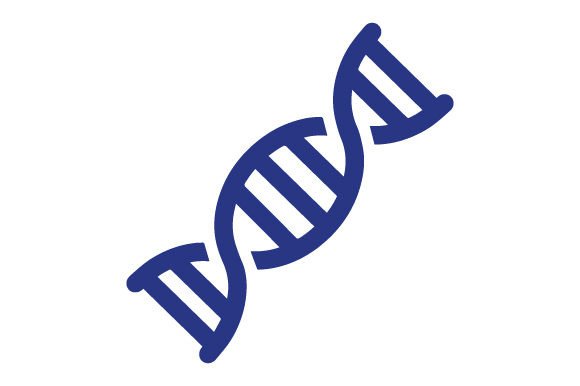
The immediate appeal of the DNA Icon lies in its clean, recognizable structure. In the crowded world of Medical themed graphics, clarity is paramount. This illustration avoids unnecessary clutter, opting for a streamlined look that reads well at various sizes. The visual personality strikes a balance between professional and accessible. It does not feel overly clinical or sterile, which makes it suitable for a broader range of Crafts and educational materials. For sellers, this means the asset can bridge the gap between strict medical professionals and casual science enthusiasts, such as students, teachers, or biology hobbyists.
When assessing the mood, the design feels modern and minimal. This is crucial for current design trends where simplicity often converts better than complexity. Whether you are aiming for a premium look for a high-end brand identity or a friendly vibe for a classroom resource, this icon adapts well. It lacks the rustic or handmade texture, so it is best suited for digital-first applications or crisp printed materials rather than vintage-style projects.
Versatility Across Product Types
The true value of any digital product is determined by how many different ways it can be monetized. The DNA Icon comes in multiple formats, specifically SVG, transparent PNG, EPS, and DXF. This variety is essential for serving different segments of the creative economy. Here is how I tested this asset across various product categories:
- SVG Design for Cutting Machines: The SVG file is pristine. For Cricut and Silhouette users, clean cut lines are non-negotiable. I tested this on vinyl for laptop decals and heat transfer vinyl for apparel. The paths were closed and smooth, requiring minimal cleanup in design software. This makes it an excellent choice for Cricut project bundles.
- PNG Design for Sublimation: The transparent PNG is high-resolution, which is vital for sublimation design work. I applied it to mockups for tumbler wraps and mouse pads. The edges remained sharp, and the transparency allowed for seamless integration onto colored backgrounds without unsightly white boxes.
- Printable Wall Art and Education: Using the EPS file, I scaled the icon up for large format prints. It held its vector quality perfectly. This is ideal for creating nursery prints for science-loving parents or educational posters for biology classrooms.
- Apparel and Merchandise: As a t-shirt design element, the icon works well as a central graphic or as part of a larger layout. It pairs effectively with typography, allowing for slogans like "Science Club" or "Future Doctor."
Enhancing Product Presentation
In the competitive landscape of creative marketplace listings, your thumbnail is everything. The DNA Icon offers strong visual hierarchy when used correctly. Because it is a singular, strong shape, it does not get lost in busy mockup scenes. I found that using this icon in product mockup previews significantly improved click-through potential. It signals immediately what the niche is, helping the right buyers find your Etsy product or digital download.
Furthermore, consistency builds trust. If you are building a design bundle around a medical or science theme, this icon serves as a cohesive element. It helps establish small business branding that looks professional and intentional. When customers see a consistent style across your social media graphics, packaging, and actual products, perceived value increases. This asset supports that visual storytelling by providing a reliable, high-quality base element.
Strategic Placement and Cautionary Notes
While the DNA Icon is versatile, it is not a one-size-fits-all solution. Understanding where it shines and where it struggles is key to avoiding negative reviews and refunds. It works best in layouts that allow it breathing room. Large product previews, themed bundles, and clean decorative layouts highlight its strengths. It is particularly effective in Canva template creations where users might drag and drop the element into presentations or flyers.
However, caution is required in specific scenarios. Due to the intricate nature of the double-helix structure, the design can lose detail if scaled down too small. For instance, using it as a tiny detail on a complex sticker design sheet might result in muddy cuts or printing issues. Always test the minimum viable size. Additionally, avoid placing it on dark backgrounds unless you are using the PNG version and have adjusted the color appropriately, as the default black lines may vanish. For print-on-demand items with dark fabrics, ensure you create a white or light-colored variant of the SVG before uploading.
Another area for careful application is text-heavy templates. The icon should complement the typography, not compete with it. Pairing it with a clean sans serif font often yields the most modern result, while a script font can add a softer, more personal touch for greeting cards or invitations. Avoid overcrowding the design with too many other elements, as this disrupts the visual balance.
Practical Seller Notes for Commercial Use
Before listing any product featuring the DNA Icon, rigorous testing is mandatory. Here is my checklist for ensuring quality and compliance:
- Test on Real Mockups: Do not rely solely on digital simulations. Print a sample on the intended material, whether it is paper, vinyl, or fabric, to check color accuracy and line integrity.
- Verify File Formats: Ensure you are delivering the correct files. Customers buying for Cricut expect SVG and DXF, while sublimation artists need high-res PNGs. Organize these files clearly in a ZIP folder to enhance the customer experience.
- Check Transparency: Open the PNG in various editing programs to confirm the background is truly transparent. Any residual pixels can ruin a mug design or t-shirt print.
- Licensing Confirmation: Always review the commercial license terms associated with the asset. Ensure you understand the limits on sales volume or usage types. This protects your handmade business from legal issues.
- Contrast and Visibility: Preview the design on both white and dark backgrounds. If the icon is black, consider offering a white version in your bundle to increase versatility for your buyers.
In conclusion, the DNA Icon is a robust addition to any designer’s library, particularly for those focusing on the Medical and educational sectors. It offers the flexibility needed for diverse Crafts, from simple vinyl cuts to complex sublimation projects. By understanding its strengths in clarity and modern aesthetic, and by respecting its limitations regarding scale and contrast, you can leverage this illustration to create high-value, professional-grade products. Whether you are expanding your design assets for a seasonal bundle or creating standalone clipart listings, this icon provides a solid foundation for commercial success.