Review: Cute People Fighting Virus Design
As a designer who has spent countless hours digitizing and stitching out thousands of patterns, I approach every new machine embroidery design with a mix of curiosity and skepticism. We have all been there: you see a graphic that looks adorable on screen, only to watch it turn into a tangled mess of thread on the hoop. Today, I am taking a close look at Cute People Fighting with Virus Cartoon, a piece from the broader category of Illustrations and Graphics that aims to blend health awareness with whimsical character art.
This is not just about whether the image is cute; it is about whether it translates effectively into thread. I recently had a client request a series of personalized gifts for healthcare workers and teachers who had endured a particularly challenging year. They wanted something lighthearted but meaningful. This led me to evaluate how this specific vector-style concept performs when moved from a digital screen to a tangible finished product.
First Impressions and Visual Personality
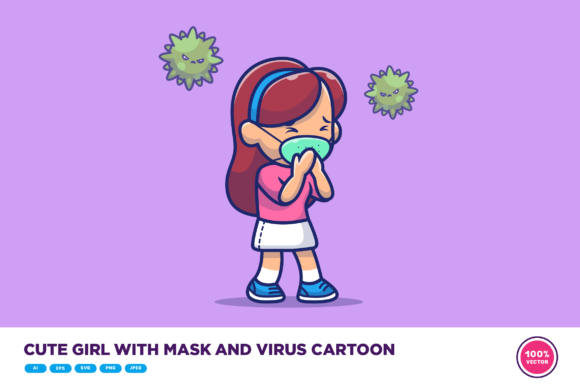
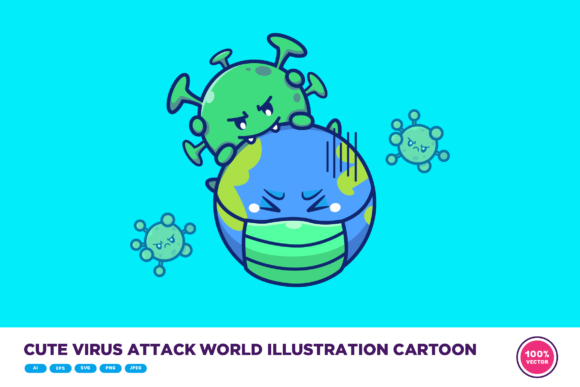
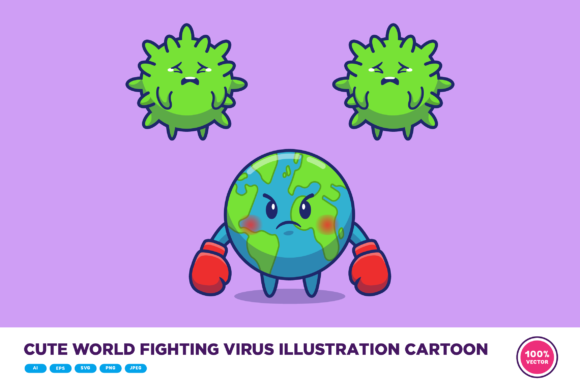
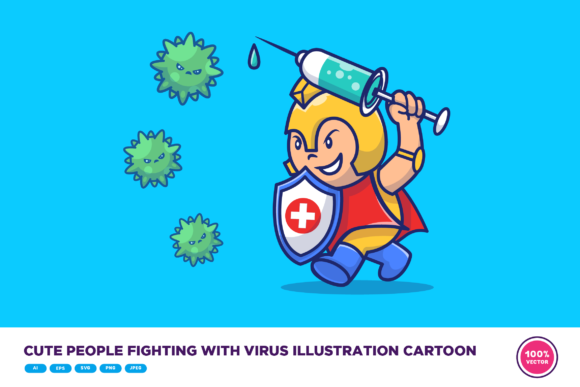
The initial appeal of Cute People Fighting with Virus Cartoon lies in its flat cartoon style. In the world of digital assets, flat designs are popular because they are clean and modern. However, for an embroiderer, "flat" can be a double-edged sword. The design features simplified human figures engaging in a playful battle against virus characters. The mood is optimistic and resilient, which is exactly what many customers are looking for in post-pandemic merchandise.
From a layout perspective, the isolation of the characters suggests versatility. Because the elements are distinct, they do not rely on complex background shading to make sense. This is crucial for embroidery, where we cannot simply print gradients. The visual personality is friendly and approachable, making it suitable for a wide demographic, from children’s items to adult casual wear. It avoids being overly clinical or scary, which is a smart move for commercial appeal.
Real-World Application: The Tote Bag Test
To truly understand the viability of this design, I imagined applying it to a canvas tote bag design. Canvas is a sturdy fabric that handles stitch density well, but it also shows every imperfection. I envisioned placing the central fighting scene on the front panel of a natural-colored cotton tote. The contrast between the bright thread colors and the neutral fabric would likely pop, creating a strong focal point.
For an Etsy seller or small shop owner, this type of application is gold. It transforms a basic utility item into a statement piece. The narrative of "fighting back" resonates emotionally, adding value beyond the physical object. If I were producing this for a boutique, I would consider pairing it with a simple text element, perhaps stitched in a clean sans-serif font, to reinforce the message without cluttering the visual field.
Apparel and Wearables
Beyond bags, this design has strong potential for custom apparel. Imagine this stitched onto the chest pocket area of a denim jacket or as a larger centerpiece on the back of a hoodie. For sweatshirt embroidery, the soft texture of fleece or French terry cloth requires careful attention to stabilizer choice. The design’s cartoon nature means it likely relies on solid shapes rather than fine lines, which is beneficial for stretchy fabrics. However, one must be cautious with the extremities of the characters. Tiny arms or legs in the illustration could become fragile if the stitch count is too low or if the fabric stretches significantly during wear.
It is also a contender for baby embroidery projects, such as onesies or bibs. Parents appreciate themes of protection and health. However, for infant items, comfort is paramount. I would recommend testing the back of the stitching to ensure no scratchy tails or dense knots irritate sensitive skin. Using a soft cut-away stabilizer would be essential here to maintain the integrity of the design through multiple wash cycles.
Technical Considerations for Stitching
When evaluating any embroidery file, we must look past the preview image. Since this originates as a vector icon concept, the transition to stitches depends heavily on the digitizer’s skill. Here are the critical technical aspects I considered:
- Stitch Density: Flat cartoon styles often use fill stitches for large areas. If the density is too high, the fabric may pucker. If it is too low, the backing material might show through. Always test on scrap fabric identical to your final project material.
- Thread Colors: The design likely uses vibrant, contrasting colors to distinguish the people from the viruses. Ensure your thread palette matches the intended mood. Bright greens, blues, and reds work well, but avoid muddy combinations that reduce clarity.
- Small Details: Check the eyes and facial expressions. In embroidery, tiny satin stitches can easily break or look messy if the needle size is incorrect. Verify that these small elements are robust enough to survive handling.
- Hoop Size: Confirm the required hoop size before starting. If the design is large, ensure your machine can accommodate it without re-hooping, which risks misalignment.
For those considering an applique design variation, this concept could be adapted by using fabric pieces for the characters’ bodies and only stitching the outlines and faces. This reduces stitch count and adds texture, which is excellent for larger items like pillow covers or wall hangings.
Navigating Fabric and Surface Challenges
Not every surface is created equal. While this design works well on stable cottons and canvases, it requires caution on textured fabrics like towels or thick wool. The fabric texture can swallow fine details, making the characters look indistinct. On dark fabrics, ensure you use underlay stitches effectively to prevent the background color from bleeding through the lighter threads of the design.
Curved surfaces, such as caps, present another challenge. The distortion inherent in stitching on a curved brim can warp the proportions of the cartoon figures. I would advise placing the design on the front panel of a cap rather than the side, and using a stiff stabilizer to minimize distortion. For embroidered patch creation, this design is ideal because patches allow for heavy stabilizer use and dense stitching without worrying about garment drape.
Commercial Viability and Brand Consistency
For creative entrepreneurs, the question is always: will this sell? The theme of resilience is timeless, but trends shift. This design feels current yet classic enough to remain relevant. It enhances brand consistency for shops focused on wellness, positivity, or community support. When used in commercial embroidery projects, it projects professionalism and thoughtfulness.
Before listing this as a small shop product, verify the licensing terms. Since it is described as a premium vector illustration, ensure you have the right to use it for physical goods. Many digital marketplaces differentiate between personal and commercial use. Never assume; always read the license agreement to protect your business.
Final Verdict and Practical Tips
Cute People Fighting with Virus Cartoon is a strong candidate for various embroidery projects, provided you respect the technical limitations of your machine and materials. It is not just a graphic; it is a storytelling tool. To get the best results:
- Always run a test stitch on similar fabric to check tension and density.
- Use high-quality thread to ensure the colors remain vibrant after washing.
- Consider the end-user’s experience—will the stitches feel comfortable against the skin?
- Create printable mockups to visualize the design on different products before committing to production.
In conclusion, this design bridges the gap between digital art and tactile craft effectively. With careful preparation and attention to detail, it can elevate your handmade products, offering customers a unique and meaningful piece of art. Whether you are creating holiday gifts, boutique merchandise, or personalized keepsakes, this design offers a charming and resilient narrative that stitches up beautifully when handled with expertise.