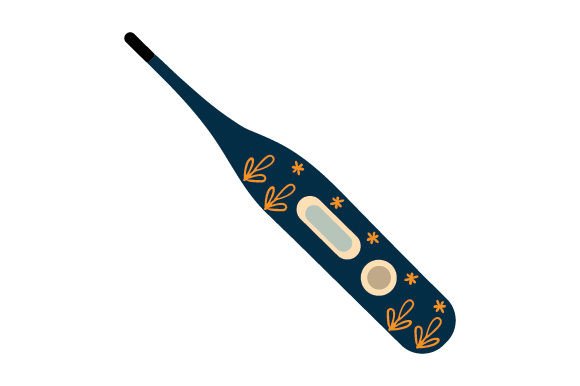
Hygge Scandinavian Thermometer: A Designer’s Review
As a designer who spends more time staring at stitch simulations than I care to admit, I have developed a keen eye for what translates well from screen to fabric. When I first opened the Hygge Scandinavian Thermometer design file, my immediate reaction was one of quiet appreciation. In an industry often cluttered with overly complex, dense, and noisy graphics, this piece stands out for its restraint. It captures that specific Nordic aesthetic—clean lines, minimalism, and a sense of cozy functionality—that is currently dominating home decor and apparel trends. But aesthetics are only half the battle. The real question for any serious embroidery professional or Etsy seller is whether this design holds up under the needle.
First Impressions and Visual Personality
The mood created by the Hygge Scandinavian Thermometer is undeniably calm. It does not shout for attention; instead, it invites a closer look. The layout is balanced, avoiding the common pitfall of asymmetrical weight that can cause hoop burn or fabric distortion during stitching. For those of us working in the Crafts sector, particularly within the niche of modern home goods, this visual personality is gold. It feels intentional and curated.
What strikes me most is the detail level. It is sufficient to convey the concept of a thermometer without relying on microscopic elements that inevitably turn into thread blobs after washing. The shape is recognizable instantly, which is crucial for product recognition. Whether you are creating a personalized gift for a friend who loves interior design or developing a new line for your small shop product catalog, the clarity of this image ensures the message is received immediately. It bridges the gap between decorative art and functional iconography, making it versatile for various applications beyond just traditional Medical contexts, leaning heavily into lifestyle and wellness branding.
Real-World Application: The Tote Bag Test
To truly evaluate a machine embroidery design, you must imagine it in a real-life scenario. I recently considered this design for a custom order involving heavy canvas tote bags. The client wanted a subtle, sophisticated look for a local bookstore’s merchandise. I loaded the SVG File into my digitizing software to check the pathing before committing to fabric.
The result was promising. The design’s linear nature works exceptionally well on textured fabrics like canvas or linen. Unlike dense fill stitch designs that can pucker lightweight materials, the Hygge Scandinavian Thermometer appears to rely on a mix of running stitch outlines and moderate satin accents. This makes it ideal for tote bag design projects where durability and a flat finish are priorities. When stitched out, the contrast between the thread and the natural fabric color created a high-end, boutique feel. It did not look like a mass-produced item; it looked like a thoughtful handmade product.
Beyond totes, I can see this thriving on sweatshirt embroidery. Placed on the left chest of a neutral-toned crewneck, it adds a touch of whimsical professionalism. It is small enough to be discreet but detailed enough to be interesting. For custom apparel brands focusing on minimalist aesthetics, this is a strong candidate for seasonal collections.
Navigating Technical Challenges
However, no design is without its quirks, and experienced designers know where to tread carefully. While the Hygge Scandinavian Thermometer is generally robust, there are specific scenarios where caution is required. If you are planning to use this on stretchy fabrics, such as jersey knits for baby embroidery items, proper stabilization is non-negotiable. The linear elements, if not supported correctly, can warp when the fabric stretches.
Additionally, consider the hoop size relative to the design. If you are shrinking this down for a small embroidered patch or a hat front, you must inspect the tiny details. Thin lines can disappear or break if the stitch density is too low or if the thread tension is off. I recommend testing the design on scrap fabric first, specifically using the same thread weights you intend to use for the final finished product.
Dark fabrics present another challenge. Since the design relies on clean lines, using light thread on dark fabric requires precise underlay stitching to prevent the background color from peeking through. Conversely, if you are using dark thread on light fabric, ensure that the stitch density is not so high that it creates a stiff, cardboard-like feel on soft garments like tea towels or pillow covers.
Commercial Viability and Brand Consistency
For commercial embroidery professionals and digital product sellers, the value of this design lies in its versatility and broad appeal. The "hygge" trend is not a fleeting fad; it is a established lifestyle movement. Using this design allows you to tap into a market that values comfort, simplicity, and quality.
When creating printable mockup assets for your online store, this design photographs beautifully. Its clean lines translate well to digital previews, helping potential customers visualize the final item. This increases buyer engagement and trust. Customers are more likely to purchase a holiday embroidery item or a wedding gift if the design looks professional and crisp in photos. The Hygge Scandinavian Thermometer contributes to brand consistency by offering a cohesive look that can be repeated across different products, from aprons to caps.
Furthermore, the inclusion of multiple file formats—SVG File, Transparent PNG, EPS, and DXF—adds significant value. It means you are not limited to embroidery machines. You can use the vector files for vinyl cutting, screen printing, or laser engraving, allowing you to expand your craft business offerings without purchasing additional designs. This multi-use capability is essential for maximizing the return on investment for any design assets you acquire.
Practical Notes for the Embroiderer
Before you begin your next embroidery project, keep these practical tips in mind:
- Check Thread Color Contrast: This design relies on visibility. Ensure your thread color stands out against the fabric. Monochromatic looks can work, but they require perfect tension.
- Review Stitch Density: If you find the design too dense for your fabric, consider adjusting the pull compensation in your software to prevent puckering.
- Test on Scrap Fabric: Always run a test stitch-out. Check for thread breaks in tight corners and ensure the stabilizer you are using provides enough support.
- Confirm Licensing: Before selling finished product items or using this in commercial ventures, verify the license terms provided with the digital embroidery file. Most designers allow commercial use for physical items, but restrictions may apply to digital redistribution.
- Inspect Small Details: Zoom in on the preview. If there are tiny text elements or intricate corners, ensure your machine can handle them at the size you intend to stitch.
In conclusion, the Hygge Scandinavian Thermometer is a thoughtful addition to any designer’s library. It balances aesthetic appeal with technical practicality, making it suitable for a wide range of applications from baby clothes to boutique branding. By understanding its strengths and respecting its limitations, you can create high-quality, profitable items that resonate with today’s conscious consumers. It is a design that respects the craft, and in turn, respects the customer.