ICD Diagram: A Designer’s Embroidery Review
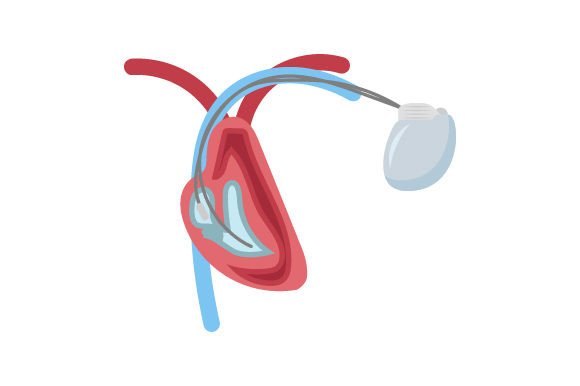
When I first pulled up the Implantable Cardioverter-defibrillator ICD Diagram on my screen, I wasn’t looking for a typical floral motif or a trendy typography piece. As an experienced embroidery product reviewer and designer, I am often tasked with evaluating niche, technical, or educational designs that serve specific communities. This particular design falls squarely into the Medical category, yet its application within the world of Crafts offers a unique challenge. It is not just about stitching a picture; it is about translating a complex medical device into a clean, recognizable, and aesthetically pleasing machine embroidery design.
First Impressions and Visual Clarity
The immediate impression of this diagram is one of precision. In embroidery, clarity is king, especially when dealing with technical illustrations. The layout of the Implantable Cardioverter-defibrillator ICD Diagram suggests a focus on structural accuracy. For a designer, this means we are likely looking at a combination of running stitch outlines for fine details and potentially fill stitch areas for larger components of the device. The mood it creates is professional and informative, rather than whimsical.
What stands out is the potential for this design to bridge the gap between clinical accuracy and wearable art. When I visualize this stitched out, I see a design that respects the intricacy of the subject matter without becoming a tangled mess of thread. The visual personality is serious but accessible, making it suitable for awareness campaigns, medical professional gifts, or educational tools.
Real-World Application: The Custom Tote Scenario
To truly evaluate a design, I always imagine it in a real-life scenario. Let’s say I am preparing a custom order for a local cardiology clinic. They want branded tote bag design items for a patient education seminar. Using the Implantable Cardioverter-defibrillator ICD Diagram here makes sense. It serves as a visual aid that patients can take home, reinforcing what they have learned about their device.
In this context, the design needs to hold up on canvas or heavy cotton. I would likely choose a high-contrast thread color, such as navy blue or black, against a natural or white fabric background. The goal is to ensure that the leads and the generator unit of the ICD are distinct. If the stitch density is too low, the fine lines representing the wires might get lost. If it is too high, the fabric could pucker. This is where the quality of the embroidery file becomes critical.
Versatility Across Products
Beyond tote bags, where else does this design fit? I see strong potential in sweatshirt embroidery for medical students or healthcare workers who specialize in cardiac care. A subtle placement on the sleeve or chest pocket area could serve as a badge of expertise. It also works well for embroidered patch creation. Patches are forgiving because they are stabilized heavily before stitching, allowing for finer detail retention. This makes them ideal for caps or jackets where the fabric itself might be too textured or unstable for such a detailed diagram.
For Etsy seller audiences, this design opens a niche market. While baby clothes and holiday gifts are common, there is a growing demand for personalized medical alert accessories or supportive gifts for patients undergoing ICD implantation. A pillow cover or a small blanket featuring this diagram, perhaps accompanied by a comforting message, could be a thoughtful personalized gift. However, one must approach this with sensitivity and professionalism.
Technical Considerations and Fabric Choices
Not every fabric is suitable for this type of technical design. When working with the Implantable Cardioverter-defibrillator ICD Diagram, avoid highly textured fabrics like bouclé or loose-weave linens. The intricate lines of the diagram will disappear into the texture. Instead, opt for smooth, tightly woven fabrics such as poplin, twill, or high-quality jersey for custom apparel.
If you are stitching on stretchy fabric, such as a t-shirt, a cut-away stabilizer is non-negotiable. The weight of the stitches, particularly if there are any solid fill areas, can cause the garment to distort over time. For rigid items like aprons or canvas bags, a tear-away stabilizer might suffice, but always test first. The hoop size must be appropriate for the design’s dimensions. Cramping a detailed diagram into a small hoop can lead to registration errors, where the outlines do not align perfectly with the fills.
Color and Contrast Strategy
Thread color choice can make or break this project. Since this is a diagram, realism is often preferred. Using metallic threads for the casing of the ICD could add a nice touch of realism, but metallic threads are prone to breaking and require slower machine speeds. A safer bet is to use matte rayon or polyester threads in shades of silver, grey, and white.
Always test your design in black and white mockups before stitching. This helps you identify if the contrast between different parts of the diagram is sufficient. If the leads and the generator blend together visually, you may need to adjust the thread colors or add a satin stitch border to define the edges better. This step is crucial for maintaining the design assets integrity and ensuring the final product looks professional.
Commercial Use and Licensing
For craft business owners and small shop product creators, understanding the licensing terms is vital. The product description mentions formats like SVG, Transparent PNG, EPS, and DXF. Note that these are primarily vector and image formats, often used for cutting machines or printing, rather than native machine embroidery formats like PES or DST. Before using this as a digital embroidery file for commercial sales, you must confirm if it includes actual stitch files or if you need to digitize it yourself from the provided vectors.
If you are creating a finished product for sale, such as a branded scrub cap or a promotional item, ensure you have the right to use the design commercially. Misunderstanding license terms can lead to legal issues. Always check the specific terms provided by the creator. If the design is intended for personal use only, you cannot sell items made with it. Clarifying this upfront protects your brand consistency and professional reputation.
Final Verdict for Designers
The Implantable Cardioverter-defibrillator ICD Diagram is a specialized tool in a designer’s arsenal. It is not a everyday decorative element, but for the right project, it is invaluable. It requires careful handling regarding stabilizer choice, thread selection, and fabric type. When executed correctly, it elevates a simple item into a meaningful, educational, or professional piece. Whether you are creating a holiday embroidery gift for a nurse or a commercial embroidery run for a hospital, this design demands respect for its technical nature. Test on scrap fabric, check your tension, and let the precision of the diagram shine through your stitching.